Evaluating the Real-World Impact of Digital Tools in Vitamin D Fortification
Food and Drink Technology has published a report titled “How digital food science is reshaping formulation,” but the available source material does not identify a specific platform, formulation…
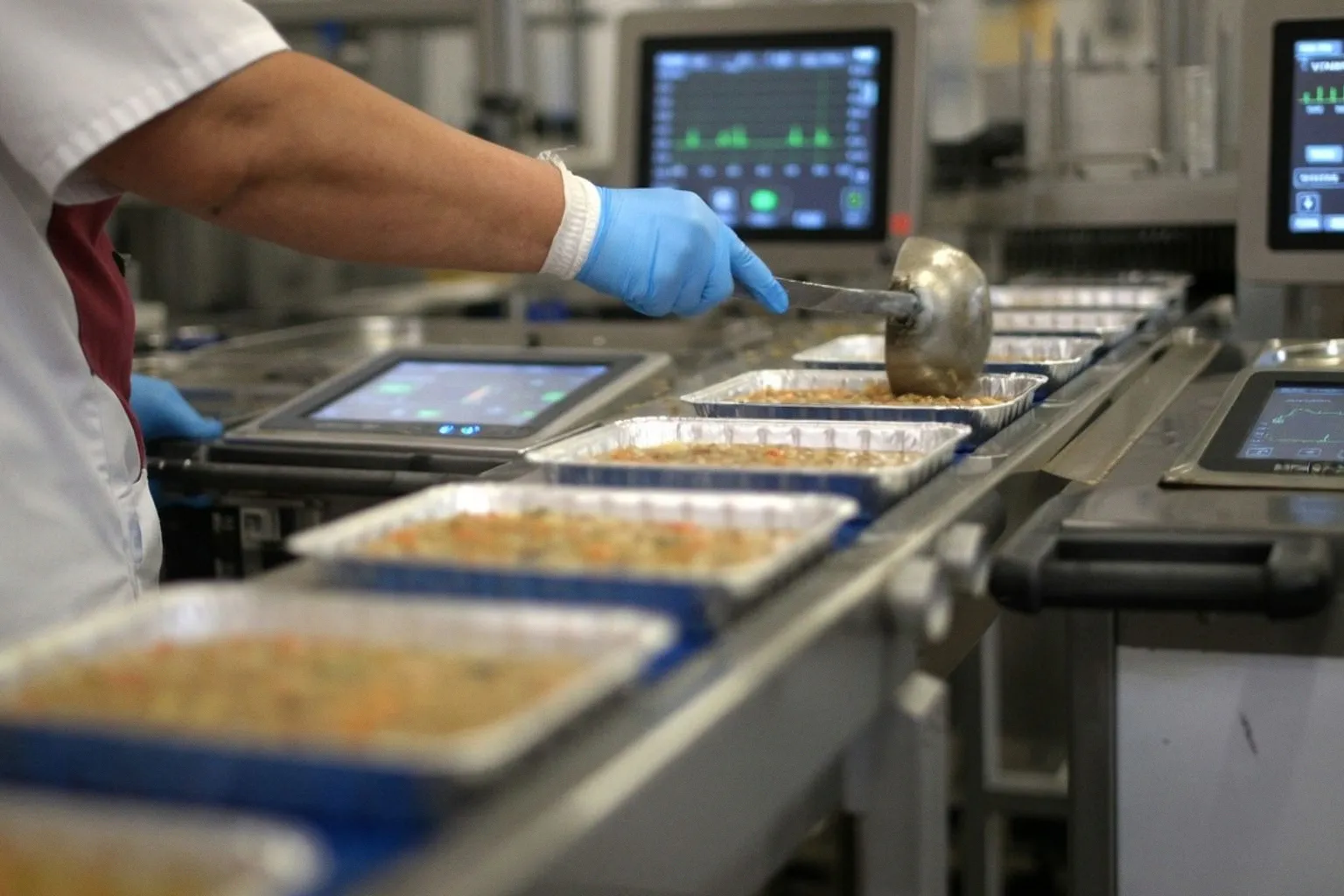
Food and Drink Technology has published a report titled “How digital food science is reshaping formulation,” but the available source material does not identify a specific platform, formulation, production line, or measured improvement. For vitamin D fortification, that limitation is material: the headline indicates a direction of travel, not a validated process result. The practical task is to separate digital capability from demonstrated gains in stability, dosing accuracy, or bioavailability yield.
The reported shift remains undefined
The source title signals a move toward digital methods in food formulation. It does not provide confirmed data on degradation rates, matrix encapsulation, mixing performance, scale-up, or cost per fortified unit. No product category or vitamin D application is specified in the available evidence.
That means manufacturers and policy teams should not treat the report as evidence that digital formulation has already improved fortification outcomes. The relevant production questions remain open:
- Which formulation variables are being modeled?
- Are the inputs based on laboratory measurements, factory data, or assumptions?
- Has the output been verified against physical batch testing?
- Does the method improve nutrient distribution, retention, or only development speed?
- Can the process operate under the constraints of an existing plant?
Without these controls, a digital model is a design instrument. It is not a substitute for analytical verification.
Why the policy context matters
The Food and Agriculture Organization has separately called for science, technology, and artificial intelligence to support the transformation of agrifood systems. FAO Director-General QU Dongyu linked this agenda to food security, affordability, nutrition, rural development, and resilience. The FAO source reports that undernourishment in Asia was 25 percent lower in 2025 than in 2015, while around 292 million people in the region still faced hunger and nearly one third of the population could not afford a healthy diet.
This context changes the evaluation standard for digital food science. Technical sophistication is not sufficient. The FAO position, as reported, is that innovation should produce practical benefits for people and communities, including access to healthier and affordable foods. It also stresses that science and technology should help close, rather than widen, digital, rural, and gender divides.
For vitamin D fortification, the implication is operational rather than promotional. A digital workflow has value only if it can be connected to the realities of formulation access, ingredient supply, quality control, and implementation capacity. A system that requires infrastructure unavailable to smaller or rural producers may increase technical capability without improving population coverage.
What to verify before adoption
The current evidence supports monitoring the topic, not assigning a quantified benefit to it. Teams assessing a digital formulation tool should request a defined validation package:
1. Input specification. Identify the ingredient, food matrix, processing conditions, and quality limits used by the model.
2. Physical confirmation. Compare model outputs with laboratory and production-batch measurements.
3. Fortification performance. Check nutrient distribution and retention under the stated process conditions.
4. Scale-up evidence. Establish whether results persist when moving from controlled trials to factory production.
5. Implementation cost. Include data collection, software, staff training, analytical testing, and maintenance.
6. Access conditions. Assess whether the method can be used across different production environments and supply chains.
A separate report from The News Nigeria records a call for stronger investment in indigenous technologies to improve food security. Taken together with the FAO statement, the available reporting supports a broad conclusion: digital food science is being positioned within a larger technology and food-system agenda. It does not yet establish a specific technical advantage for vitamin D fortification.
The cost-benefit test is therefore strict. Until formulation claims are supported by batch-level data, digital tools should be treated as decision-support systems requiring conventional process validation—not as replacements for it.