How the DFQT+ Platform Modernizes Food Fortification Oversight and Quality Tracking
SON's Deputy Director of Nutrition, Victoria Nsofor, reported at the 56th Annual Scientific Conference of the Nutrition Society of Nigeria that the Digital Fortification Quality Traceability Plus…
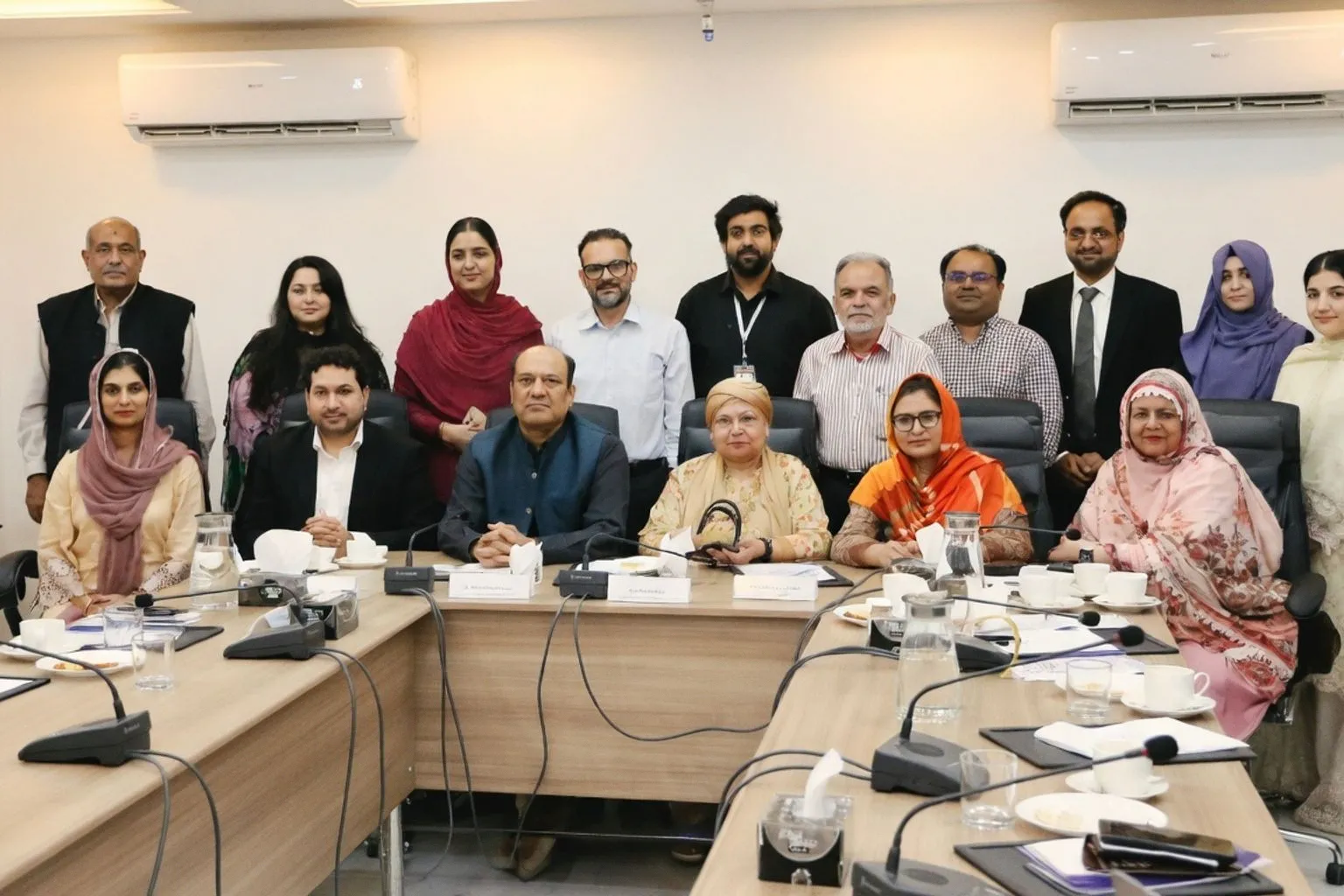
SON's Deputy Director of Nutrition, Victoria Nsofor, reported at the 56th Annual Scientific Conference of the Nutrition Society of Nigeria that the Digital Fortification Quality Traceability Plus (DFQT+) platform has shifted food fortification oversight from scheduled factory inspections to data-driven quality surveillance. The system was profiled during a GAIN-organized panel session in Lagos and addresses a long-standing process constraint: fortification data held across separate agency silos delayed root-cause identification when premix or finished product specifications drifted outside tolerance.
Process mechanics and data flow
DFQT+ centralizes upload, analysis, and sharing of fortification records from three stakeholder tiers — premix producers, food manufacturers (edible vegetable oil, wheat flour, sugar), and regulatory agencies — into a single accessible repository. Each node submits quality-control records on at least a weekly cadence, replacing the prior practice of fragmented data custodianship across institutions. Nsofor confirmed that when a non-conformity occurs, root-cause traceback now completes in a shorter time frame than under the previous request-based exchange between agencies. For industrial micronutrient delivery, this matters operationally: vitamin retention across oil and premix matrices, homogeneity in flour batches, and iodine stability in salt are parameters that degrade over storage and distribution time. Continuous data submission shortens the gap between specification drift and corrective action.
Surveillance efficiency and compliance gaps
SON currently operates monthly factory visits as its baseline compliance monitoring. Nsofor stated that reliable, regularly updated DFQT+ records allow the regulator to redirect those visits toward facilities flagged by the platform as higher risk. The resource model is direct: routine inspection frequency declines; targeted inspection intensity rises where data signals need. This reallocation directly supports bioavailability verification and degradation rate monitoring — two parameters that benefit from continuous data streams rather than periodic spot checks. Centralized records also enable retrospective evaluation of national fortification programme performance against micronutrient targets, supporting evidence-based standard revision.
The principal constraint Nsofor identified is inconsistent private-sector participation. Edible oil manufacturers and premix suppliers in particular have reduced upload frequency due to operational and quality-related challenges at the production level. Compliance had been higher previously; the recent drop is the variable to track. Producers expected to upload at least weekly are the early signal — a node falling below the reporting cadence indicates either upstream batch issues or downstream reporting breakdown, both relevant to finished-product micronutrient content.
What to monitor going forward
Three operational signals carry weight for the Nigerian programme: return of stragglers to weekly reporting compliance in the edible oil tier; whether DFQT+ data enables SON to reduce routine factory visits without increasing non-conformity rates; and cross-agency data-sharing stability, which Nsofor flagged as critical to platform effectiveness. The cost-benefit is quantifiable — fewer routine inspections, faster non-conformity traceback, consolidated performance data for policy revision. The limiting factor is participation consistency across private operators, a common failure mode in voluntary digital reporting infrastructure within large-scale food fortification ecosystems.