Beyond Fortification: Why India’s Nutrition Schemes Struggle to Curb Stunting
According to GK Today's recent analysis, child wasting and stunting rates in India remain elevated despite long-running schemes like POSHAN Abhiyaan.
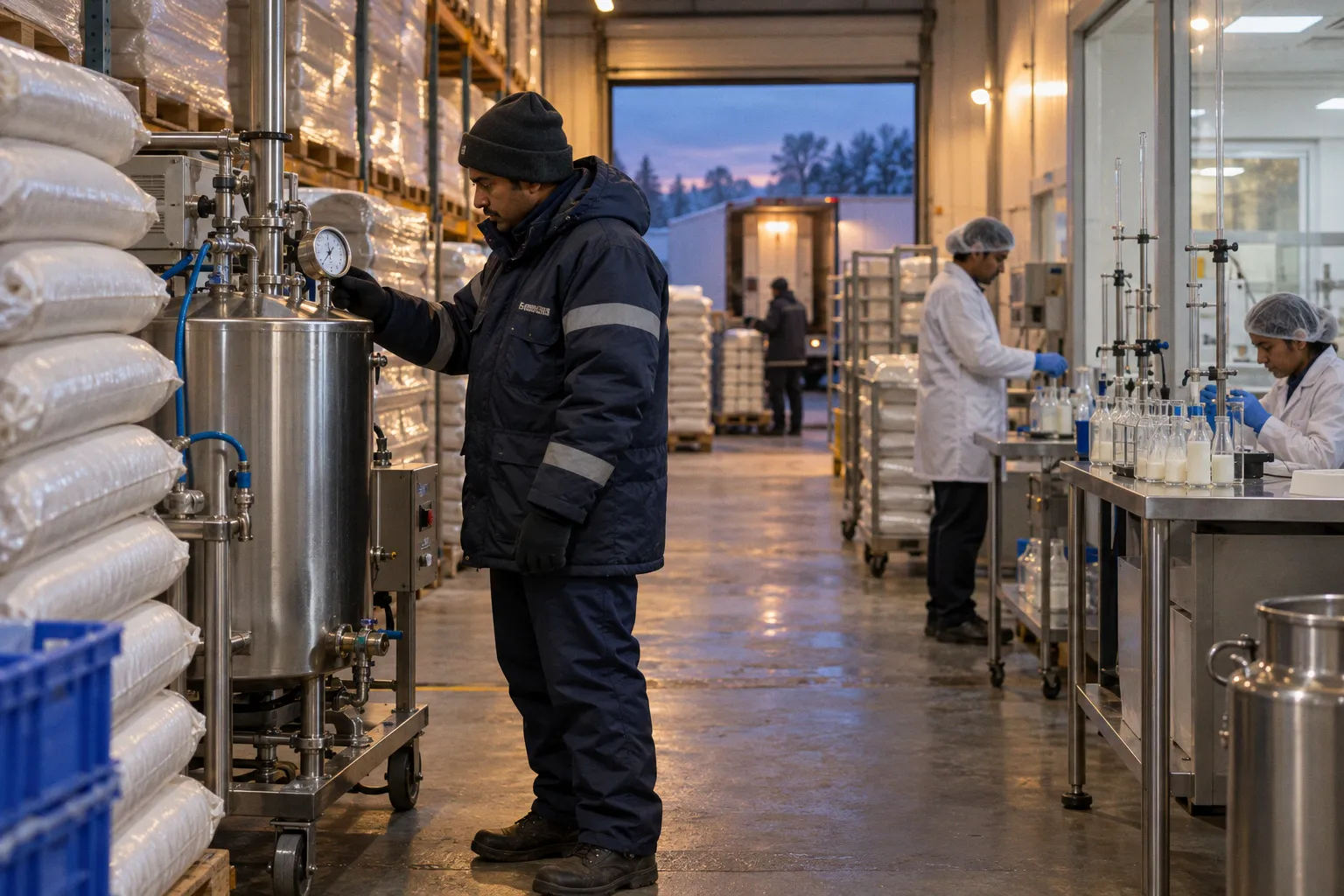
The piece attributes the plateau to factors outside the nutrition delivery pipeline itself: poverty, poor diets, disease burden, and weak convergence with adjacent services. For industrial food technologists, the operative signal is that single-channel fortification and supplementation programs hit a hard ceiling when the surrounding dietary matrix and household infrastructure are not co-engineered.
The Matrix Ceiling
The analysis flags a familiar processing constraint. Adding a micronutrient premix to a wheat, rice, or oil vehicle produces measurable delivery numbers. It does not guarantee the dose reaches systemic circulation. Bioavailability yield drops when the receiving diet is dominated by anti-nutrient compounds, when gut infection impairs uptake, or when meal frequency is irregular. From a factory-floor perspective, the vehicle is not the final product. The fortified grain enters a household matrix that may compromise the effective dose before consumption. Mission POSHAN 2.0 improves distribution throughput. It does not re-engineer the downstream dietary environment that determines what fraction of the delivered dose is actually absorbed.
Decentralized Supply Architecture
The piece argues for a food systems approach, calling for convergence between nutrition, agriculture, health, WASH, and women's empowerment. Translated into processing terms: shorten and decentralize the supply chain. Regionally sourced staples permit shorter storage windows, reducing oxidative degradation of any incorporated fortificant before it reaches the consumer. They also allow matrix-specific encapsulation strategies matched to local cooking methods. The cost-benefit calculation is direct. Capital allocation shifts from a single national premix line to a distributed network of smaller fortification units. Per-unit cost rises. Coverage of local bioavailability conditions improves in proportion. Local foods then function as both a nutrition intervention and a pathway to resilient rural economies, as the source notes.
What to Verify and the Cost-Benefit
- POSHAN 2.0 throughput measured against household-level consumption, not just ration distribution counts.
- Convergence indicators at district level: does WASH coverage rise alongside ration delivery in the same geography?
- Local processing capacity inventory: operational decentralized fortification units versus centralized premix volumes.
- Regional storage duration data for any fortified vehicle, to calculate actual degradation against label claim.
- Baseline anti-nutrient levels in locally consumed staples before the premix is specified.
Persistent stunting reads as a downstream symptom of matrix failure, not premix failure. Reform the supply architecture first, then reassess the fortificant dose.