Nutrition Policy
Voluntary vs mandatory vitamin D fortification: two policy paths
Vitamin D deficiency is rarely distributed evenly across a population. It follows the lines of geography, skin pigmentation, age, income, housing…
Advancing the science of micronutrient policy.
Explore peer-reviewed data, policy briefs, and clinical trials categorized by key themes in micronutrient science and public health.
Vitamin D deficiency is rarely distributed evenly across a population. It follows the lines of geography, skin pigmentation, age, income, housing…

When we sit with families in pediatric clinics across northern Europe and North America, the conversation about vitamin D almost always opens with…

Vitamin D policy often fails before a country reaches the supermarket shelf. The failure is rarely caused by a lack of scientific interest; it…

When Sweden expanded its mandatory vitamin D fortification framework in 2018 and researchers published outcome data in 2026, the results offered a…

Around 13 percent of the general European population carries serum 25-hydroxyvitamin D concentrations below 30 nmol/L, and roughly 40 percent fall…

Vitamin D fortification projects do not usually fail at the formulation stage. They fail at the control points around formulation: unclear legal…

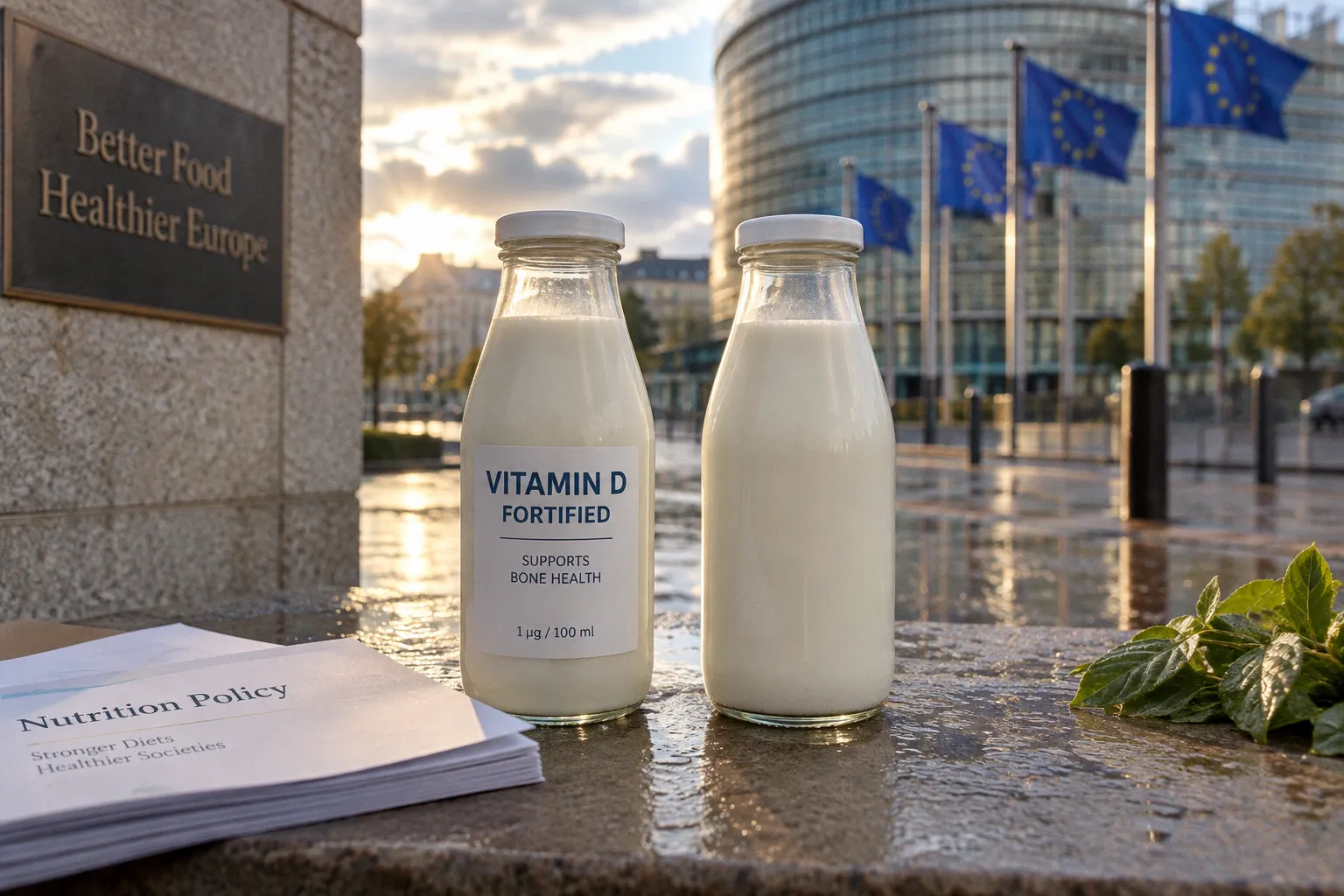
The dairy aisle tells one story: vitamin D on the label, a leaflet promising "strong bones," and the implicit assumption that fortification equals…

National dietary survey data are not production-ready inputs for food fortification modeling. A single unadjusted 24-hour recall records what a…

Vitamin D deficiency is often treated as an individual problem: take a supplement, spend more time outdoors, choose fortified products when…
Vitamin D policy can appear to rest on a simple question: how much vitamin D should people consume each day? In practice, the answer depends on which…

Vitamin D fortification fails at the policy stage when a safety ceiling is treated as a target dose. The Tolerable Upper Intake Level, or UL, is not…

NST Online reports that nuclear technology holds potential to boost food security, while The Star describes technology and innovation as essential to…

The word “organic” on a milk carton carries a clean implication. Consumers pay a premium for the idea that nothing synthetic has touched the product…

Vitamin D nutrition labeling compliance is no longer a voluntary disclosure issue in several major regulatory systems. The label must communicate a…

The assumption that every government already has a functioning vitamin D strategy is, plainly, a marketing construct rather than a policy reality.
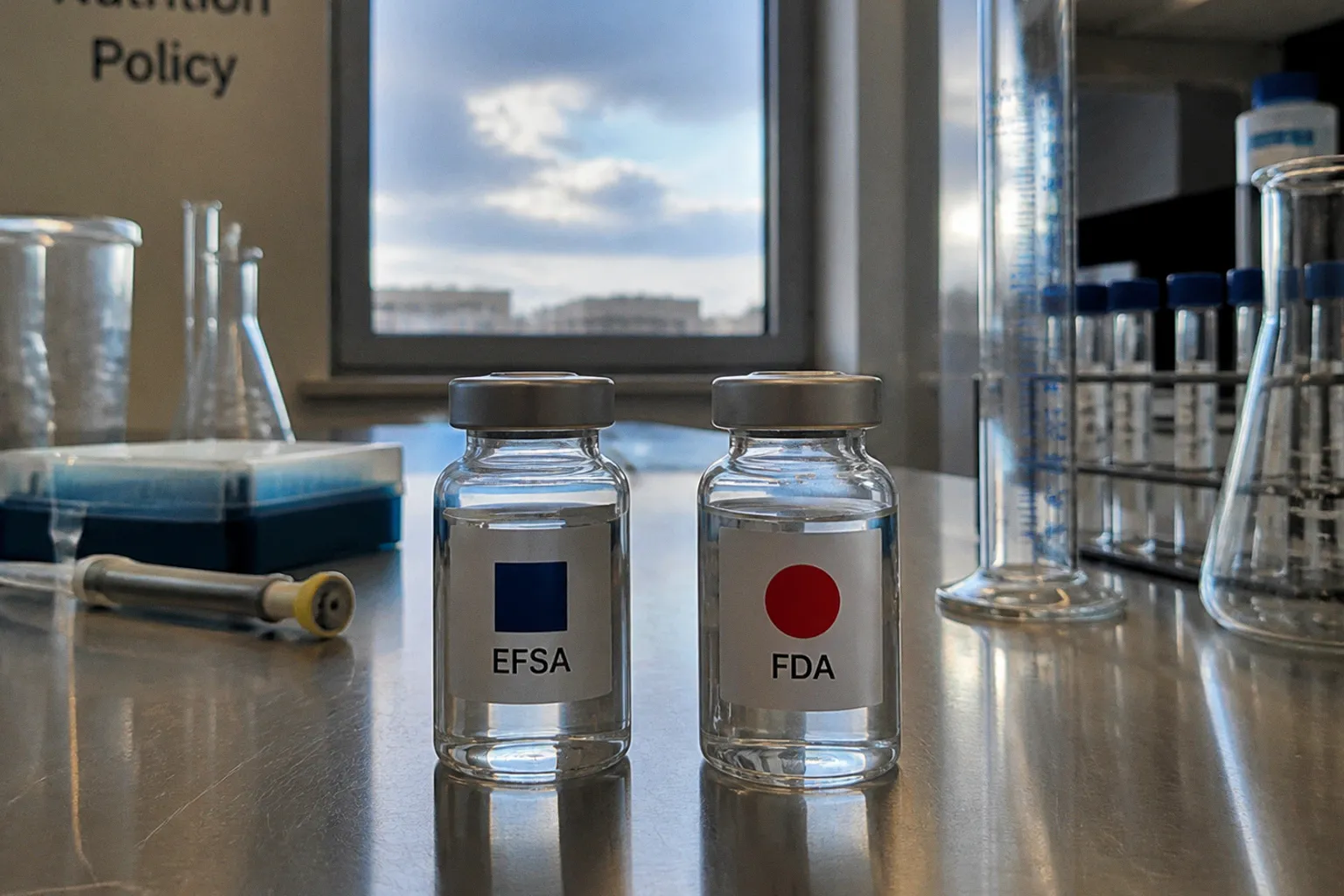
Vitamin D fortification policy is often described as though the United States and the European Union were choosing between two versions of the same…
Most vitamin D health claim dossiers fail. EFSA has evaluated over 2,300 health claim applications since the adoption of Regulation (EC) No…

Most national nutrition surveys treat vitamin D the way they treat sodium or fibre: ask what people ate, multiply the answers by food composition…
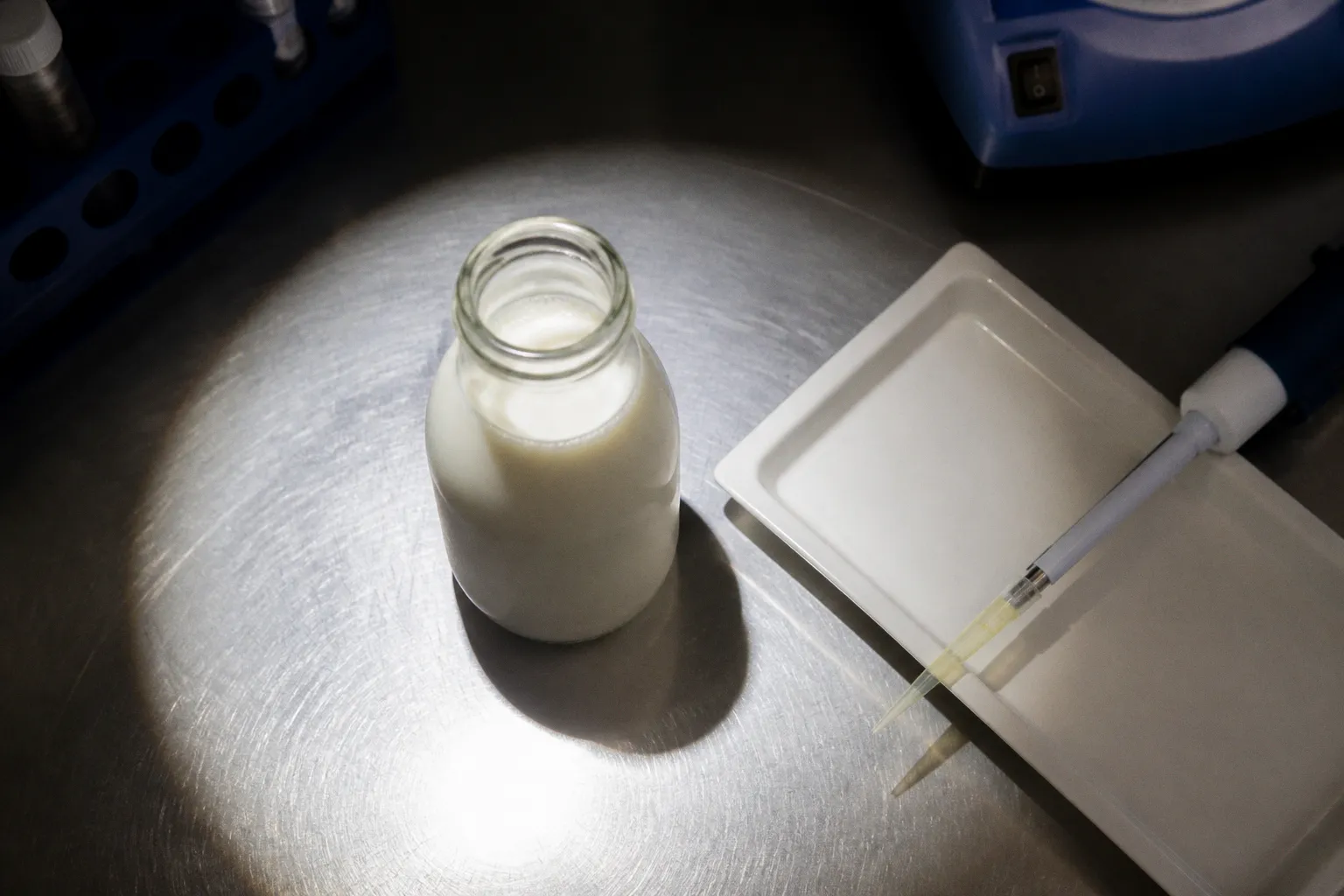
Walk into any supermarket from Toronto to Turku and you will find the same quiet architecture of public health at work: milk fortified with vitamin…
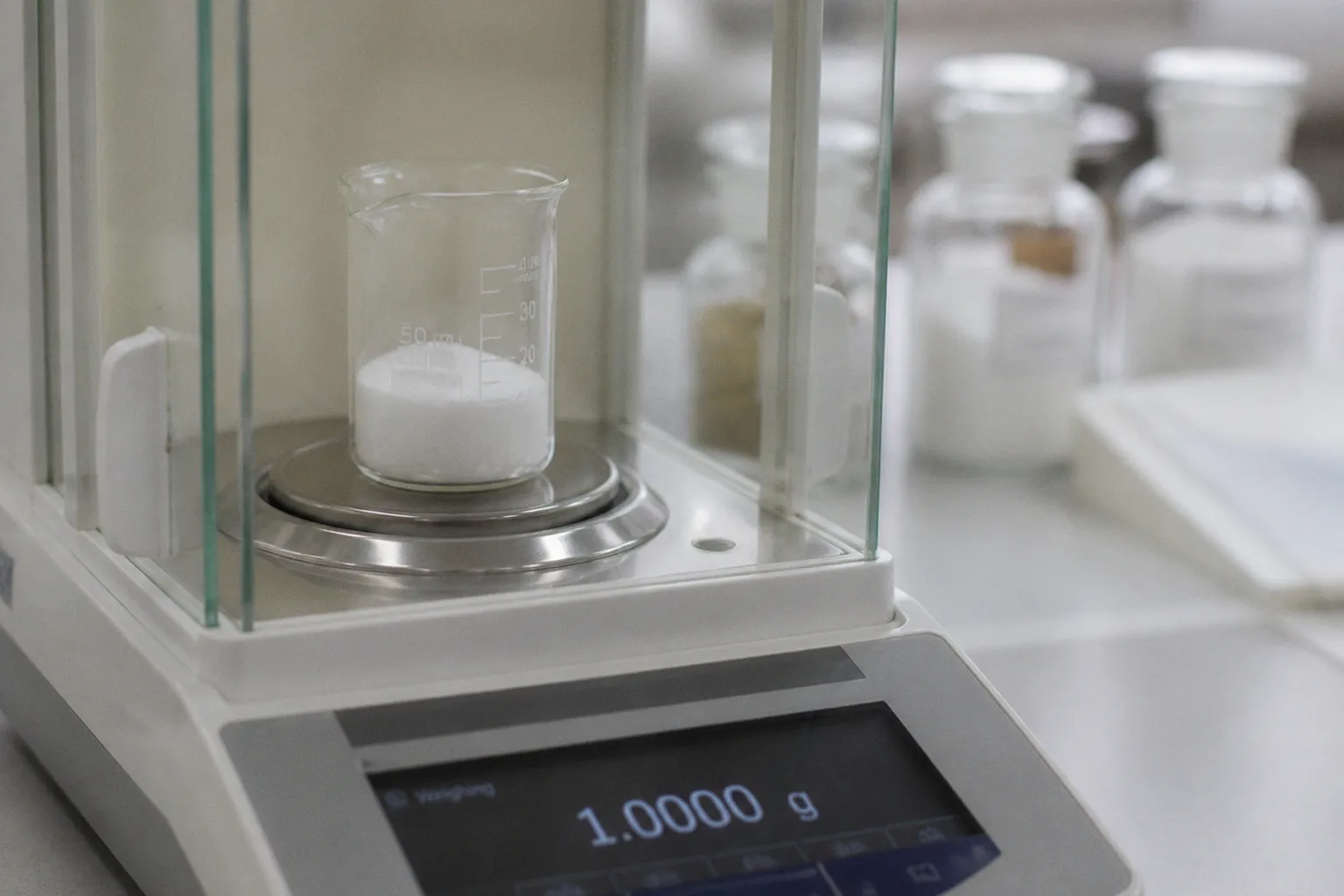
Vitamin D fortification is controlled by a narrow safety margin. The regulatory problem is not simply how much vitamin D a product contains at the…

"Adding vitamin D to food is straightforward," the supplement industry insists. Drop it into milk, watch the deficiency curve flatten, ship the press…