Expanding Rice Fortification to Combat Micronutrient Deficiencies in Nigeria
Nutrition and food-processing stakeholders in Nigeria convened in Lagos to advocate for wider adoption of fortified rice as a delivery vehicle for micronutrients, according to The Nation Newspaper.
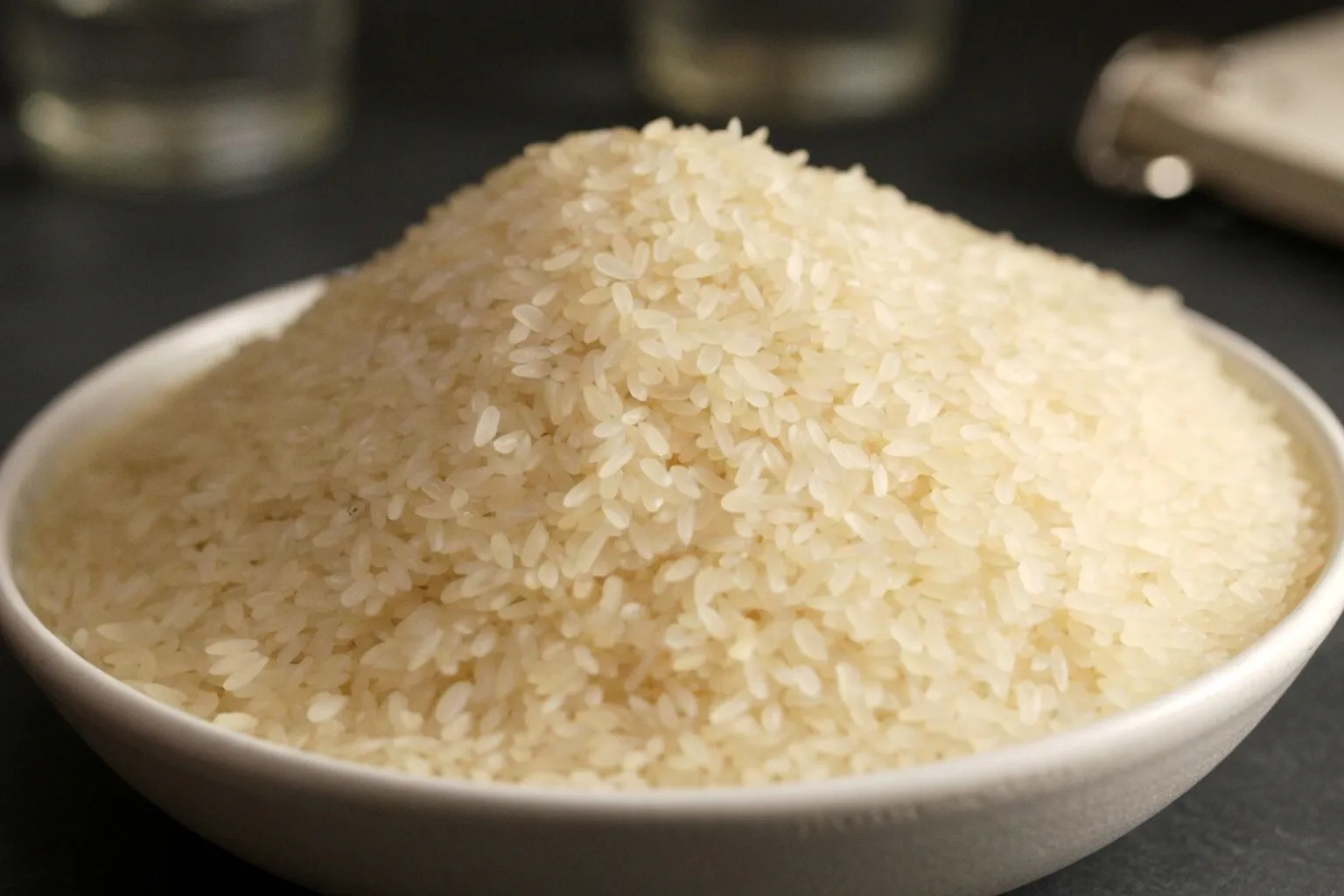
Stakeholders seek fortified rice consumption
The push references a new analysis published in The Lancet Global Health and led by the Global Alliance for Improved Nutrition (GAIN), with collaborators from UC Davis, UC Santa Barbara, the World Bank, and Tufts University. The study estimates that current large-scale fortification programmes across 185 countries prevent roughly 7.0 billion inadequate person-nutrient intakes each year, at an annual cost of about $1.06 billion, or $0.18 per person.
Vehicle selection and processing constraints
Rice imposes encapsulation and retention conditions that differ from flour or oil matrices. Milling strips the outer layers and most native micronutrients before any fortificant is added, so processors must rely on surface coating or extrusion-based reconstitution to recover bioavailability yield. A World Food Programme Food Safety and Quality Officer, Robert Irimat, has stated that rice is being evaluated as an additional fortification vehicle because of its widespread consumption in Nigerian households. The Promoting Rice Fortification in Nigeria project, managed by TechnoServe, indicates that four corrective nutrients are currently mandatory and three optional in the rice fortification standard.
Coverage, compliance, and the scale gap
The same Lancet analysis reports that salt iodisation accounts for nearly half of the prevented-intake total. Aligning fortification standards, improving compliance, and expanding coverage could raise that figure to 24.7 billion inadequate intakes prevented annually, more than triple the current estimate. Nigeria mandated fortification of flour, oil, maize, semolina, and sugar in 2002, but compliance has remained below legal requirements. The earlier salt iodisation policy, implemented in 1993, reduced goitre prevalence from 67 percent in the 1980s to under 6 percent by 2015, with 98 percent of households reached by adequately iodised salt.
Cost-benefit in production terms
The marginal processing cost of adding a micronutrient premix to milled rice remains low relative to the $0.18 per-person annual figure cited in the study, which sets the operational benchmark for any new vehicle. Three parameters now require monitoring: bioavailability yield after household washing and cooking, compliance auditing for non-iodised vehicles, and harmonisation of mandatory nutrient lists across West African markets. The 2021 National Food Consumption and Micronutrient Survey, covering women aged 15–49, children aged six to 59 months, and non-pregnant adolescent girls aged 10–14, is the next reference dataset for tracking residual intake gaps.