LG H&H and Korea Food Research Institute Join Forces to Develop Advanced Functional Foods
LG H&H has been designated a "Family Company" by the Korea Food Research Institute (KFRI) under a new memorandum of understanding, according to a report from.
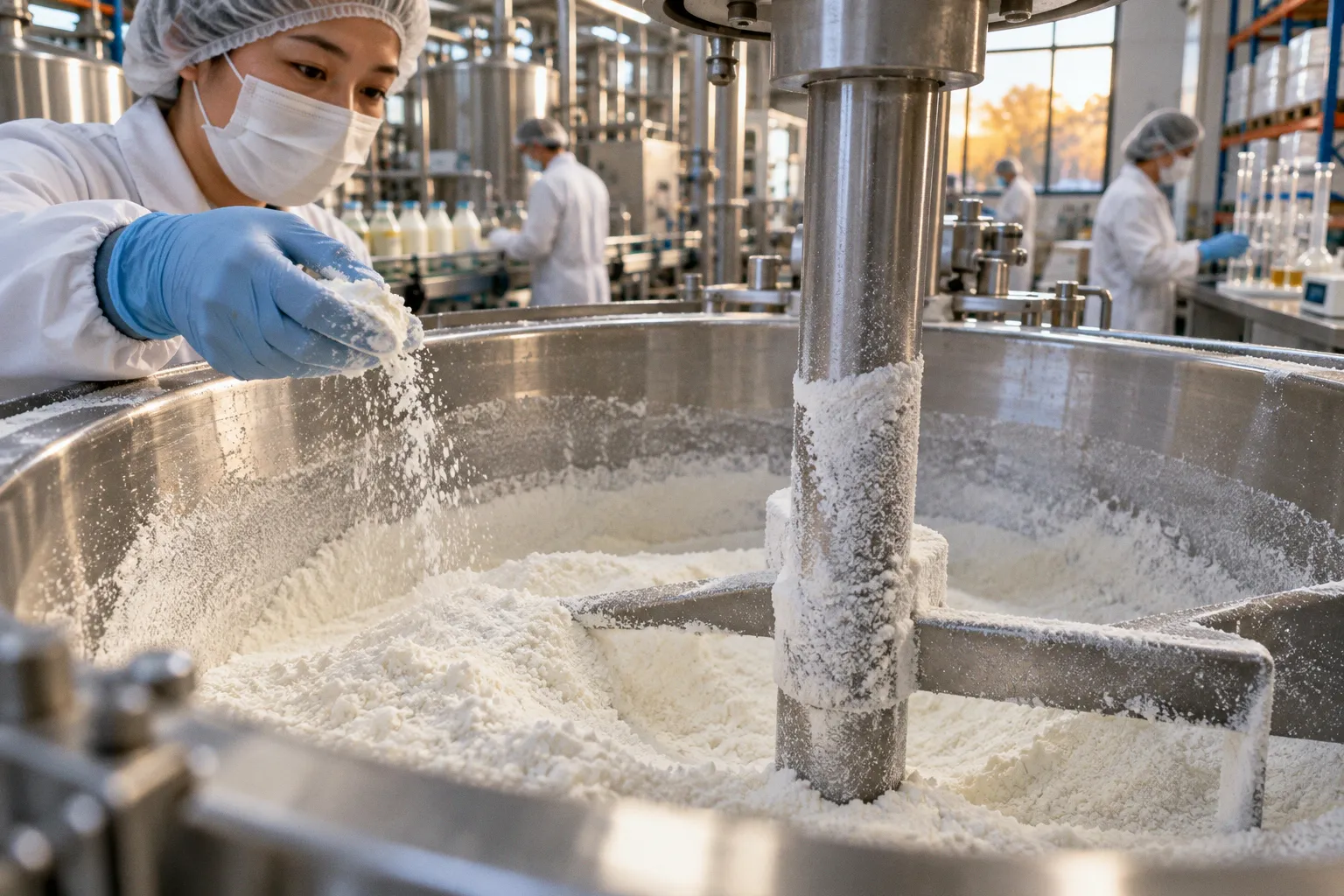
The agreement channels the company's product development pipeline into KFRI's analytical infrastructure, targeting high-value health functional foods.
Analytical Methods and Ingredient Development
The MOU lists five cooperation tracks. The first — joint development of analytical methods for functional ingredients in new formulations — addresses a direct production constraint. Established HPLC and LC-MS protocols for bioactive compounds require revalidation when the carrier matrix shifts. Co-developed methods shorten the cycle between formulation iteration and quantitative claim substantiation.
The second track targets novel ingredients for extending healthy lifespans; molecular candidates were not disclosed. Tracks three through five cover business model collaboration, technical support for domestic and international market entry, and R&D infrastructure exchange. A working-level consultative body will identify specific joint research projects and convert the arrangement into a sustained research-to-commercialization pipeline.
According to the report, an LG H&H representative indicated the partnership is structured to translate research outputs into commercial formulations, drawing on the company's product development capacity and KFRI's analytical capabilities.
Parallel Registration: Mealworm Protein Hydrolysate
In a separate development reported by, the Rural Development Administration announced that hydrolysate derived from Sosuae (Tenebrio molitor larva) has been registered as a functional ingredient for health functional foods by the Ministry of Food and Drug Safety. The registered function is maintenance of muscle strength.
The manufacturing process involves enzymatic treatment of defatted Sosuae powder to hydrolyze high-molecular-weight protein into low-molecular-weight fractions. The stated rationale: native mealworm protein resists rapid digestion and limits formulation versatility. The hydrolysate addresses both constraints.
Verification data: a 12-week human trial with 44 adults aged 50–75, dosed at 2 g of hydrolysate per day. Mean grip strength rose from 21.4 kg to 26.8 kg. Sit-to-stand time decreased from 7.38 s to 6.23 s. Quadriceps extensor strength increased 7.7-fold; flexor strength increased 2.3-fold. A 1,000-ton-per-year insect ingredient complex in Chuncheon, Gangwon Province, completed September 8, will supply material for functional foods, beverages, protein powders, and medical foods.
Cost-Benefit Summary
For LG H&H: reduced analytical development overhead and accelerated regulatory dossier preparation. For KFRI: extended reach into downstream commercialization. For the Korean functional foods sector: the Sosuae registration demonstrates an open regulatory pathway for novel protein matrices, running in parallel with the KFRI partnership's analytical infrastructure investment. The combined signal is operational — analytical capacity and ingredient diversification are advancing simultaneously.