Optimizing Vitamin D Fortification: Lessons from Recent Functional Food Launches
The Nutritional Outlook piece is positioned as a product innovation tracker rather than a clinical review.
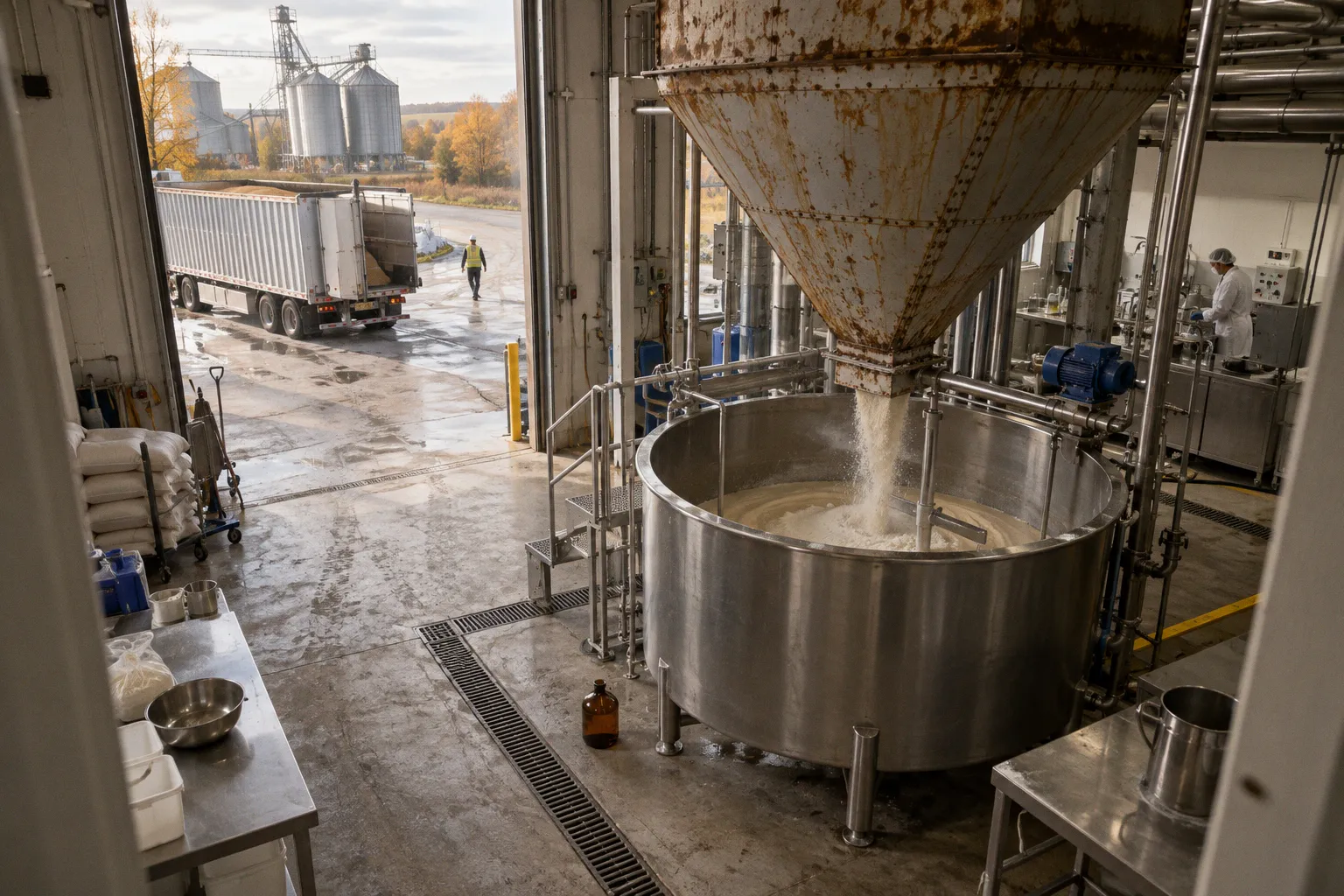
Nutritional Outlook has published a roundup identifying eight new functional food innovations, while a parallel market projection places the global functional food segment on a trajectory toward US$ 378.00 billion by 2033. For fortification programs targeting vitamin D and related micronutrients, the intersection matters: product format dictates carrier matrix, and carrier matrix dictates degradation kinetics. Both releases, dated mid-September 2026, land while manufacturers are still working through solubility and oxidative stability constraints on fat-soluble actives.
What the Roundups Cover
Confirmed material is limited to the publication title and its grouping of eight distinct launches; specific brands, dosage levels, and fortificant forms are not present in available source text. Operators reviewing such lists should extract three parameters per entry: the vitamin D form (D₂ versus D₃), the delivery matrix (aqueous emulsion, oil suspension, dry powder, encapsulated bead), and the processing tolerance stated by the manufacturer. Without those data points, shelf-life modeling cannot proceed. The openPR.com release offers a market-level counterweight, reporting projected demand growth attributed to preventive nutrition adoption. It is a market sizing exercise, not a technical specification sheet — useful for capacity planning, insufficient for formulation work.
Manufacturing Constraints to Verify
Vitamin D fortification carries well-documented processing penalties. Thermal exposure above 80 °C in aqueous systems accelerates degradation of cholecalciferol, with reported losses varying by encapsulation efficiency and oxygen barrier quality. The eight innovations listed in the Nutritional Outlook roundup should be evaluated against this baseline. For powdered beverage systems, microencapsulated D₃ in a starch or gum arabic matrix typically retains 85–90 percent of label claim through twelve months under ambient storage; emulsified systems in dairy analogs trend lower unless antioxidant packages are specified. Bioavailability yield — the fraction surviving both processing and gastrointestinal release — remains the binding constraint, not raw incorporation rates.
What to Track in Q4
Two operational items warrant attention. First, the openPR.com projection to US$ 378.00 billion by 2033 implies continued format diversification, which will pressure suppliers of lipid-soluble actives to expand stable, water-dispersible variants. Second, regulatory alignment between fortification carriers and labeling claims will tighten as preventive nutrition terminology migrates from supplement-adjacent language into mainstream food categories. Procurement teams should request degradation rate data, particle size distribution, and oxygen permeability specifications from vendors cited in these roundups before scaling inclusion rates.