Engineering Sustainable Algae-Based Vitamin D and Protein Production
Algal biomass production for nutraceutical applications presents specific engineering constraints.
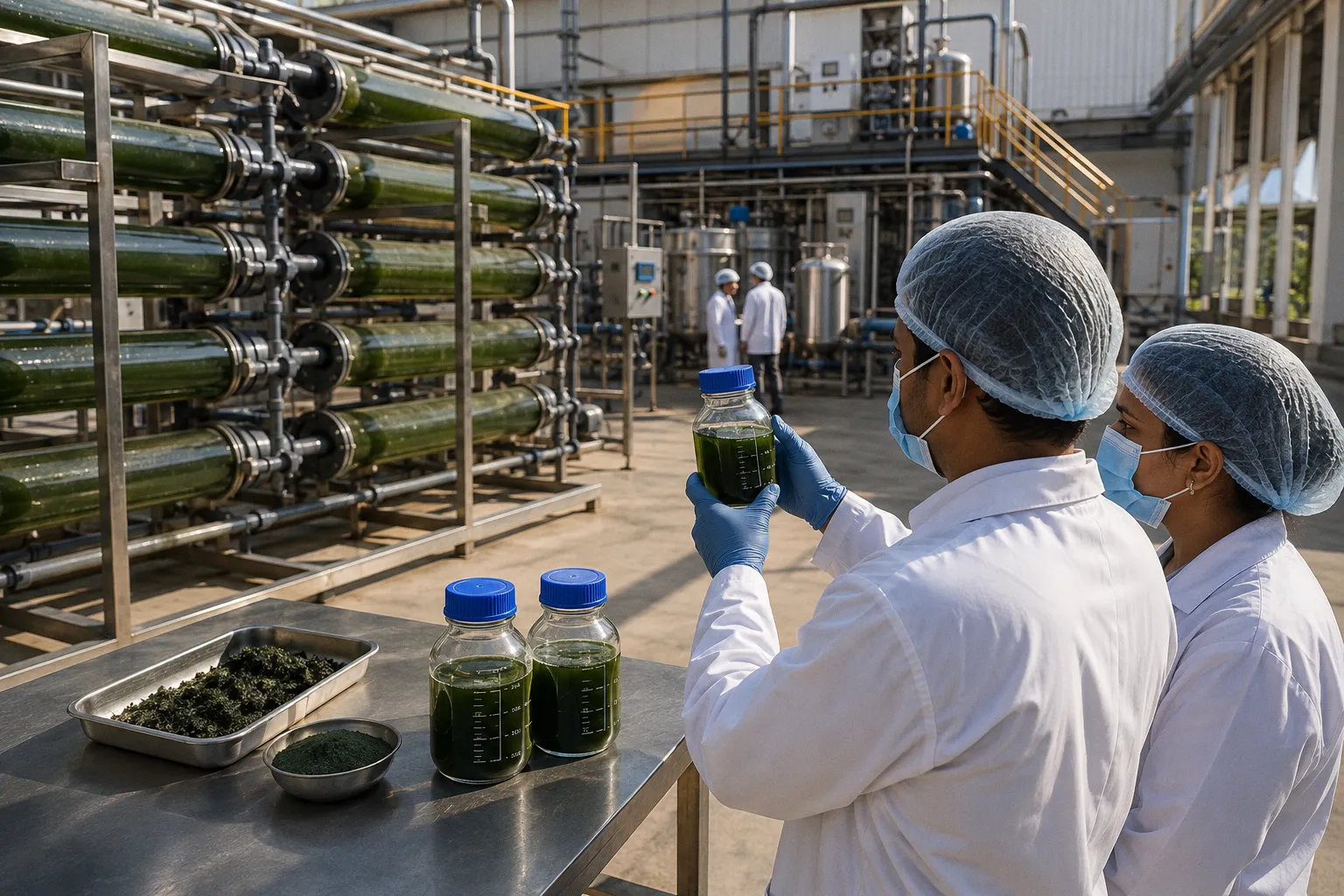
Yield degradation during harvesting and extraction remains a primary cost driver, directly impacting the commercial viability of algal-derived vitamin D and protein isolates.
Production Matrix and Scalability
Industrial-scale photobioreactor systems must balance light penetration efficiency with shear stress minimization. Reported degradation rates for certain carotenoids during centrifugal harvesting can exceed 15%, a figure that demands process optimization to improve final bioavailability yield. Contract manufacturing facilities in regions like India are now integrating robotic handling to reduce contamination vectors and scale output. One facility reported a daily production capacity of 20 tons per factory, with a fully robotic sports nutrition plant slated for commissioning. This level of automation addresses consistency challenges inherent in biological systems.
Market Trajectory and Formulation Economics
The economic imperative for algal ingredients is underscored by broader market projections. Data indicates the personalized nutrition market is on a growth trajectory, with a compound annual expansion rate cited in industry analyses. This creates a pull-through effect for functional ingredients, including algal proteins. Formulation cost-benefit analyses must now factor in the convergence of different protein sources. Some manufacturers are engineering hybrid matrices, combining algal isolates with other plant-based proteins to optimize the amino acid profile while managing input costs. The objective is to achieve a viable bioavailability yield at a price point that aligns with the expanding functional food segment.
Verification Points for the Niche
For stakeholders in fortification technology, the critical metrics are process loss percentages and encapsulation efficiency. The sourcing and stability of algal vitamin D3 precursors during extrusion or high-heat processing require empirical validation. The scale-up of robotic production lines presents a live test of automation's impact on batch-to-batch consistency. Market growth projections offer a directional indicator, but the foundational engineering parameters of degradation and yield will determine the practical adoption rate of algae-based fortification agents.