Sustaining Global Iodine Sufficiency: Technical Strategies for Salt Fortification
The WHO Department of Nutrition and Food Safety convened the inaugural webinar of its new Expert Hour Series on Food Fortification on 16 September, according to the World Health Organization.
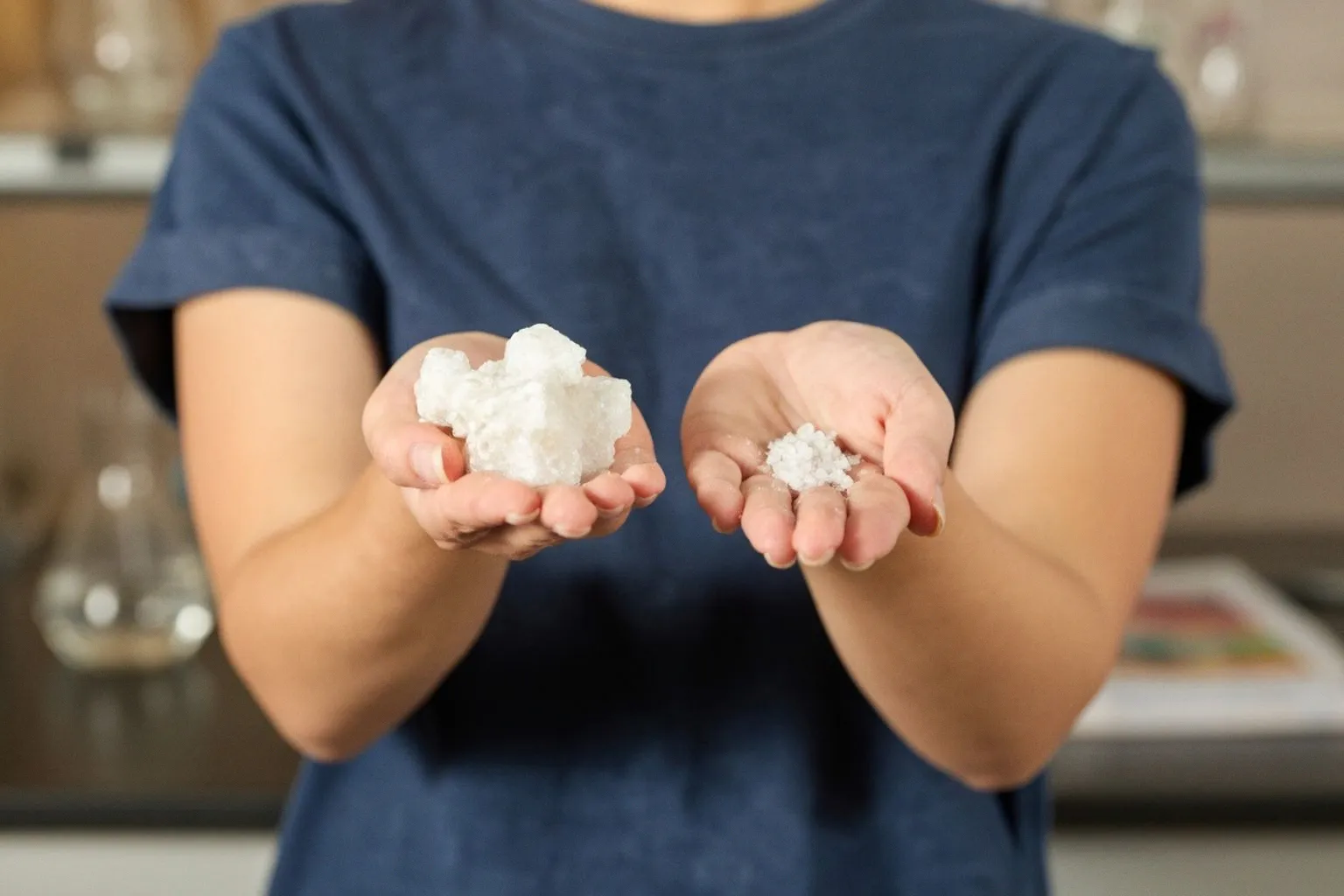
The session centered on sustaining universal salt iodization (USI) and the regulatory and implementation challenges that determine whether member states retain their iodine-sufficiency status. As reported, the series establishes a global platform for member states and technical experts to exchange data on micronutrient fortification strategies.
Stability constraint at the salt matrix
Iodine fortification operates within a narrow window. Potassium iodate (KIO₃) is the standard iodine source in humid markets because it resists moisture-driven degradation more effectively than potassium iodide (KI), which is vulnerable to oxidation and sublimation. Production targets and retail specifications are calibrated to absorb distribution losses, but the gap between exit-gate compliance and point-of-consumption compliance defines the real risk surface.
Three variables govern degradation rates: residual moisture in the salt carrier, the impurity profile (magnesium and iron compounds accelerate oxidation), and packaging permeability. Process lines without adequate pre-drying before the iodization step tend to register higher losses downstream. Matrix encapsulation with maltodextrin or stearate carriers reduces degradation under long-haul distribution, at the cost of incremental unit price per metric ton.
What the Expert Hour format addresses
The WHO briefing frames the series as a global platform for member states and technical experts to exchange data on micronutrient fortification strategies. The USI focus signals a shift in the regulatory conversation: away from initial scale-up, toward audit and maintenance of elimination status.
The recurring failure pattern is consistent. Production-exit monitoring shows compliance; retail sampling conducted months later frequently does not. Without codified monitoring intervals and standardized analytical reference methods—titration and ICP-MS—the drift between reported coverage and population-level biomarkers widens silently. The Expert Hour platform, as positioned by WHO, addresses these audit gaps directly.
Verification points for processors and policy teams
Three items follow from the WHO framing. First, harmonized monitoring frequencies across production exit, distribution, and retail. Second, agreed-upon analytical reference methods for iodine quantification. Third, climate-zone guidance on iodate-versus-iodide selection, which determines degradation behavior under specific storage conditions.
Cost-benefit remains anchored to salt volume throughput. Iodization contributes a marginal percentage increase to commodity salt cost, traded against the documented public-health return of preventing cretinism, goiter, and cognitive impairment at population scale. Processors should treat Expert Hour outputs as a regulatory horizon signal: any change in recommended reference methods or monitoring cadence will require downstream adjustment of QA/QC protocols and supplier specifications.