Texas A&M Introduces Online Master’s in Food Technology and Leadership
Texas A&M's Department of Food Science and Technology has opened admissions for a fully online, non-thesis Master of Food Technology and Leadership degree through the College of Agriculture and Life Sciences.
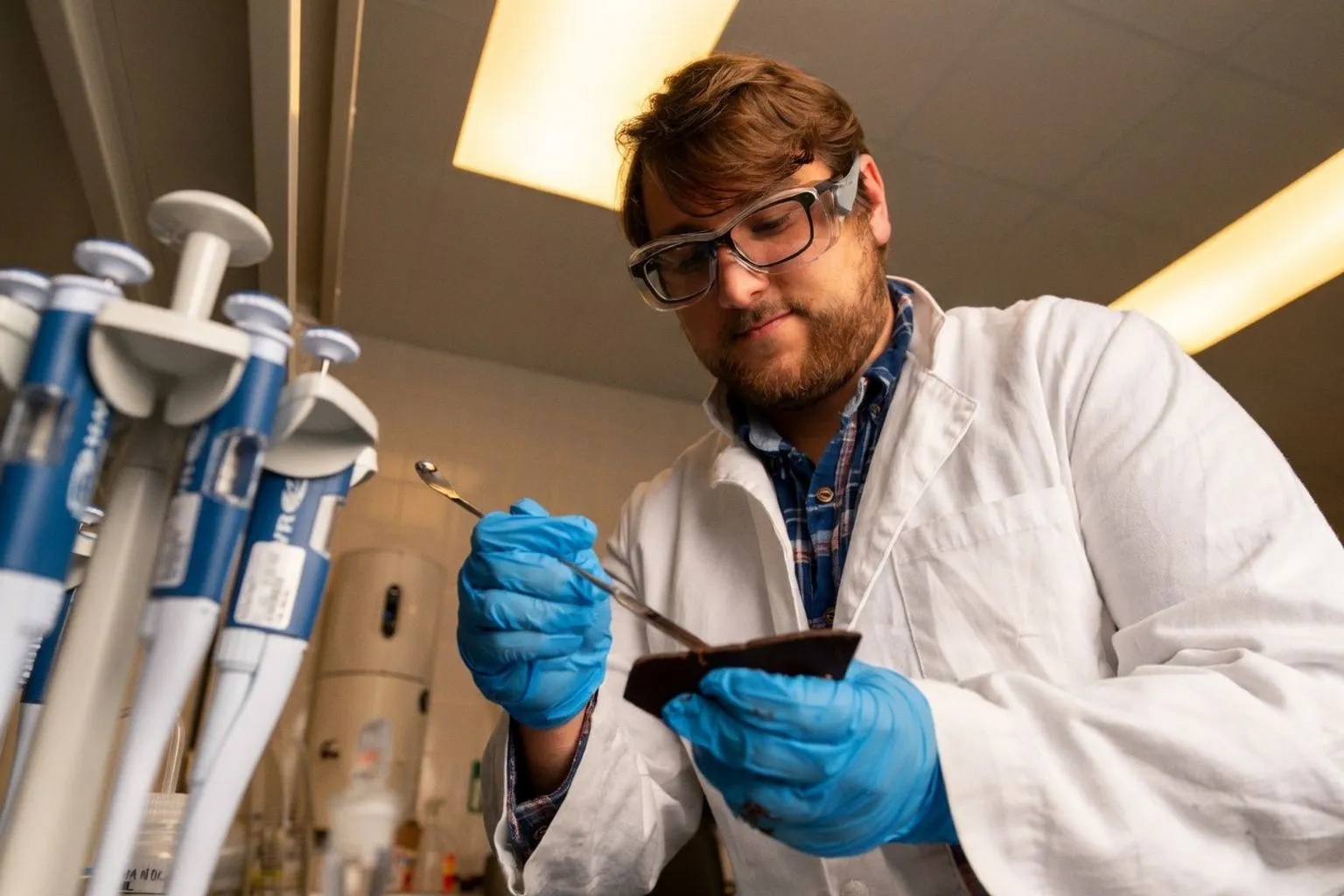
Program structure and technical scope
The 30-credit program targets working professionals across food manufacturing, ingredient supply, processing operations, quality assurance, regulatory agencies, product development, supply chain, and military food systems. Its asynchronous format removes the geographic constraint that typically limits graduate-level food science education to on-campus cohorts.
Curriculum composition
Coursework pairs core food science modules — food chemistry, food microbiology, food biomanufacturing and cellular agriculture, plus a unit on innovative functional food ingredients — with management layers: strategic messaging, stakeholder engagement, food law, and operations leadership. For fortification-adjacent professionals, the functional ingredients track is the module of immediate relevance: it sits where bioavailability optimization and matrix encapsulation for micronutrient delivery would be taught.
The program replaces a traditional thesis with a faculty-supervised capstone project. Students work with industry, regulatory, governmental, nonprofit, or university partners to address a defined operational or systems problem. Possible project domains include industry problem-solving, product and process innovation, or leadership and systems improvement. This structure signals that the credential is engineered for practitioners who will return to a factory floor, QA lab, or policy desk, not for academic-track researchers.
What to verify before applying
- Admissions cycle: First cohort begins this fall. Applications are reviewed on a rolling basis.
- Time commitment: 30 credits, asynchronous delivery — confirm per-term course load against current work schedules before committing.
- Capstone scope: Industry partner identification may begin before enrollment; applicants with pre-existing employer or regulatory partnerships should clarify whether prior project framing counts toward the capstone.
- Department placement data: The Department of Food Science and Technology reports a 100% job placement rate for its graduates, per program materials. This figure refers to departmental graduates broadly, not specifically to outcomes of this new online cohort, which has not yet produced graduates.
For practitioners in vitamin D and micronutrient fortification, the program's functional ingredients coursework and capstone model offer a credentialing path that links directly to processing-scale fortification challenges — formulation stability, regulatory compliance, and supply chain integration — rather than to bench-scale research output.