Integrating AI and Advanced Tech into Food Fortification and Industry Standards
According to EIN News, the Quality Certification Services (QCS) Annual Conference will address artificial intelligence applications and the future trajectory of food and beverage industry innovation.
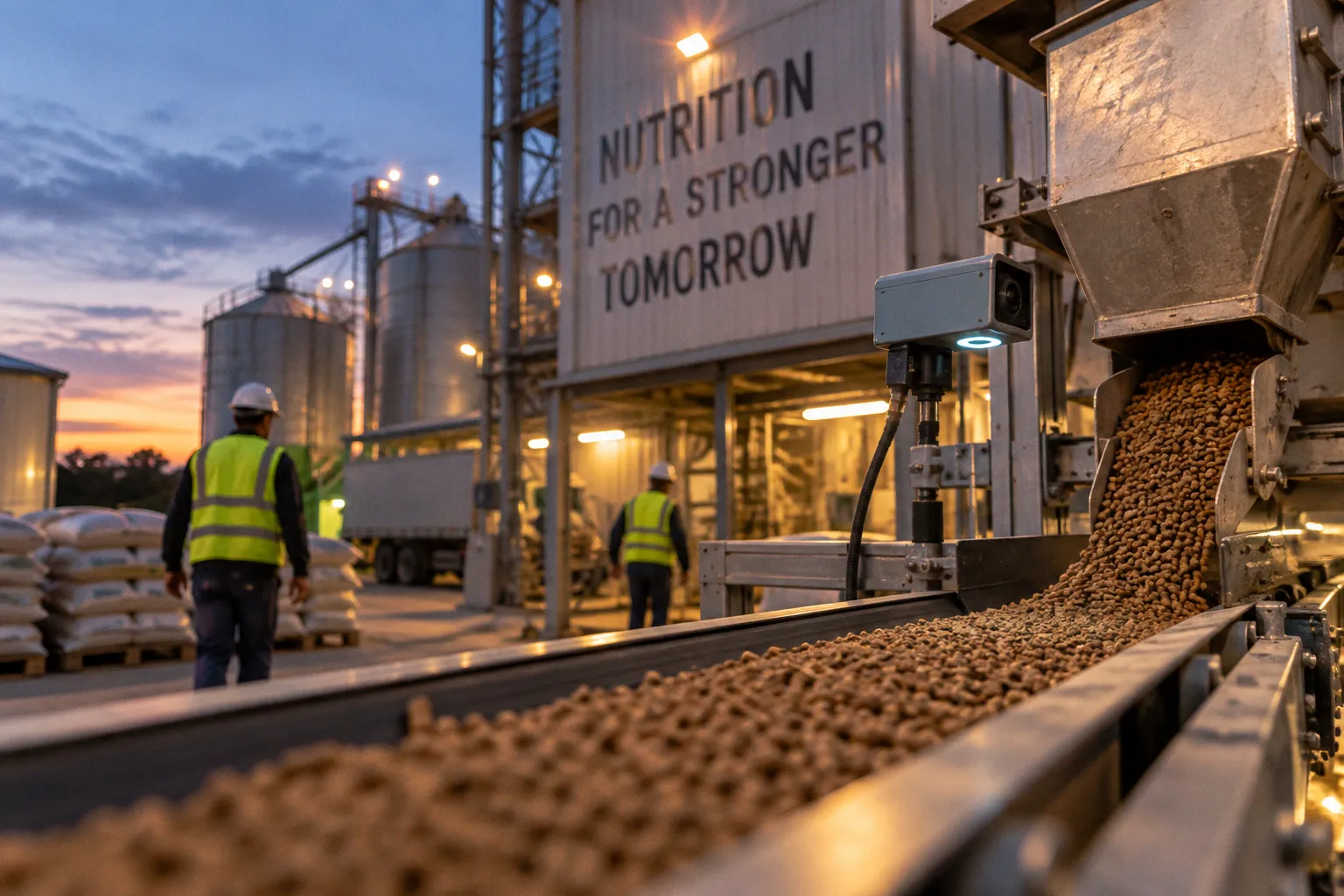
QCS Annual Conference to Explore AI, the Future of Food and Beverage Industry Innovation
The announcement signals that AI-driven process controls—relevant to fortification precision, nutrient stability modeling, and quality assurance throughput—are gaining visibility at industry-level forums. No agenda details, speaker roster, or specific session topics were available in the source at time of reporting.
AFIA Report Maps Industry Innovation Landscape
The American Feed Industry Association released its 2025–26 State of the U.S. Animal Food Industry Report, covering the fiscal period from May 2025 through April 2026. The report details accomplishments across food safety, supply chain resilience, sustainability, regulatory advocacy, workforce development, and international trade. Dan Meagher, AFIA's Board chair and president and CEO of Novus International, noted that the strength of the industry lies in collaboration and science-based innovation. The report flags emerging frontiers including public-private collaboration to address supply chain infrastructure, stronger animal disease preparedness, and navigating new policy frameworks. Educational and professional development programs reached thousands of professionals through food safety training, technical education, and networking events throughout the year.
Relevance to Fortification Tech Operators
The convergence of AI process control discussion and industry-wide innovation reporting points to a tightening feedback loop: precision dosing systems, degradation-rate monitoring, and yield optimization tools are moving from pilot-stage to broader deployment consideration. For fortification specialists, the actionable signal is that AI-assisted quality control may become a baseline expectation rather than a differentiator. Operators should audit current vitamin D matrix encapsulation workflows for sensor coverage gaps and assess whether existing SCADA systems can integrate predictive modeling modules. The cost-benefit threshold will depend on batch size and regulatory stringency in the target market—smaller operations may find standalone bioavailability testing more viable than full AI integration at current price points. Watch for session-level detail from QCS and any published proceedings that quantify AI impact on nutrient retention or processing line rejection rates.