Yazd University Expands Food Science Research to Mehriz Campus
Yazd University has launched a Food Science and Technology program at its Mehriz campus, according to the university's own publication. The addition places another academic node into Iran's food processing research pipeline.
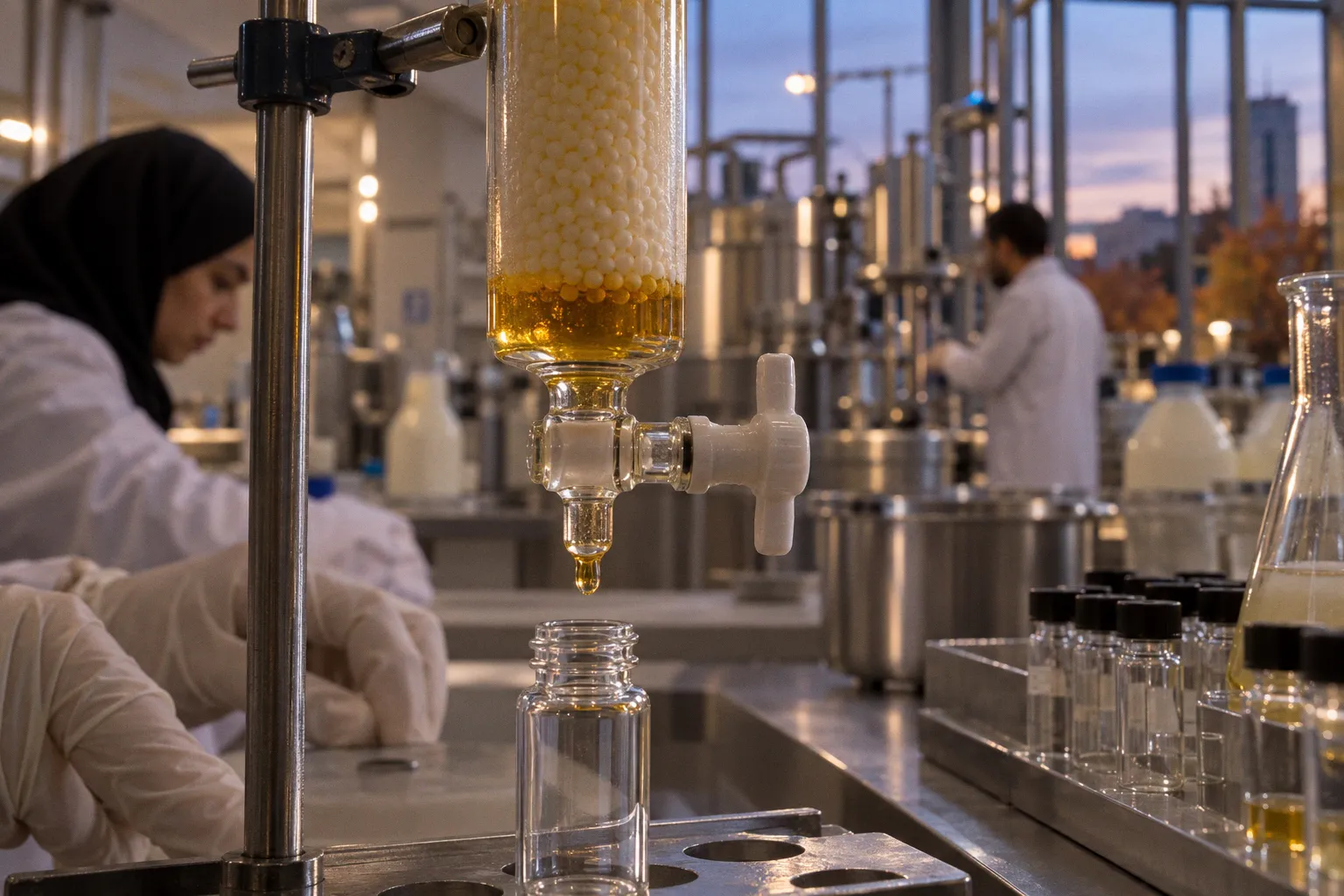
For readers tracking micronutrient delivery, the operational question is whether the curriculum addresses vitamin stability, matrix encapsulation, and bioavailability yield, or remains within general food chemistry scope.
What the evidence confirms
The verified fact set is narrow. A Food Science and Technology program has been initiated in Mehriz under Yazd University. No sourceText was retrieved from the underlying notice, so degree level, enrollment intake, faculty headcount, launch semester, and laboratory commissioning status remain unverified. Snippet-level data does not specify equipment procurement or industrial partnership agreements. Any such figures should be treated as unconfirmed until the university publishes a formal program brief.
What is established: the program is housed at Mehriz as a Yazd University site, and the launch was self-reported on the university's own domain. This is a primary-source announcement, not an external evaluation or accreditation outcome.
Industrial infrastructure any fortification program requires
A food science unit intending to contribute to fortification R&D needs specific equipment. Encapsulation rigs for heat-labile actives. HPLC or UPLC with UV and fluorescence detection for cholecalciferol and ergocalciferol quantitation. Controlled-humidity chambers for accelerated storage stability trials. Access to spray-drying, extrusion, or drum-coating lines for matrix integration work. Without these, the program graduates generalists who can read a nutrition label but cannot engineer a premix.
Processing constraints drive the curriculum. Vitamin D3 degradation kinetics under thermal stress, light exposure, and oxidative shear define whether a fortified product delivers its labeled dose at end of shelf life. A syllabus that omits degradation rate modeling produces technicians without design capacity.
Verification steps before citing in a research or policy context
Pull the university's official program page. Confirm core modules, specifically whether micronutrient chemistry or food fortification appears as a required course rather than an elective. Check faculty profiles for peer-reviewed output in vitamin stabilization, encapsulation matrices, or bioavailability assays. Cross-reference with Iran's Ministry of Science publication tracking for Yazd University food science output over the past two fiscal years. A launch announcement is an input signal, not an output metric. The program becomes relevant to fortification policy only when its graduates and publications enter the literature.