Purdue Agriculture Appoints Ozan Ciftci to Advance Food Engineering Research
ue University's College of Agriculture has added Ozan Ciftci to its Department of Food Science under the Moveable Dream Hires program, according to the university's announcement.
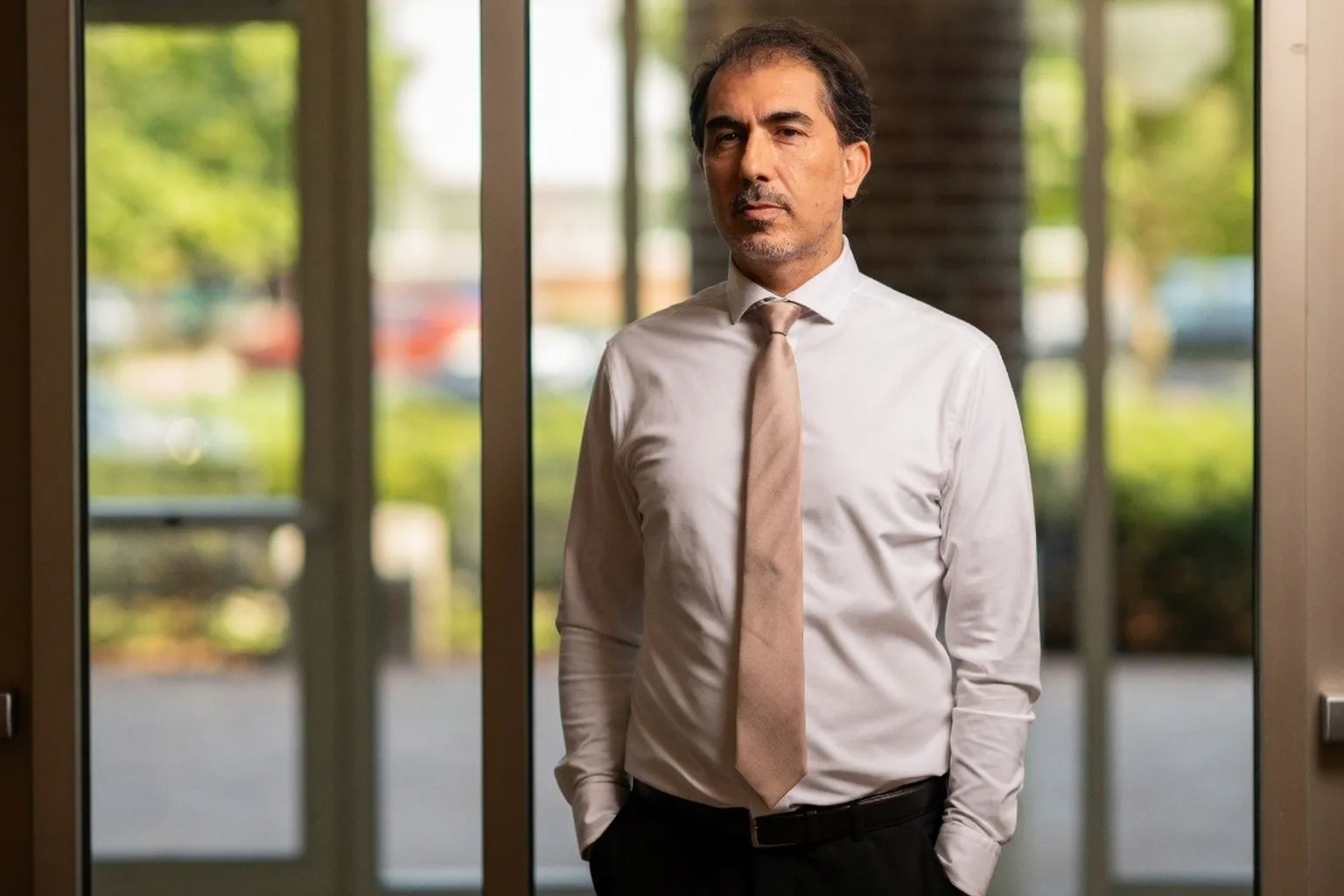
His background in lipid processing and supercritical carbon dioxide extraction brings industrial-scale techniques directly relevant to fat-soluble nutrient carrier systems into a department already focused on food structure and health applications.
Process expertise: lipids, SC-CO₂, enzyme systems
Ciftci's research centers on lipid chemistry, supercritical CO₂ (SC-CO₂) technology, and enzyme-catalyzed extraction. SC-CO₂ operates as a tunable processing fluid under controlled temperature and pressure, replacing petroleum-derived organic solvents conventionally used in oil extraction. The technology avoids the thermal degradation rates and solvent residues that complicate downstream food applications.
At Nebraska, Ciftci held the Kenneth E. Morrison Distinguished Professor of Food Engineering title, with a joint appointment spanning food science and technology and biological systems engineering. His graduate work focused on lipids—fatty, oily, or waxy compounds—and the fundamental problem that conventional oil processing relies on harsh conditions. His first postdoc improved his lipid chemistry skills; his second introduced SC-CO₂. He then combined enzyme technology with SC-CO₂ to extract valuable lipid compounds from corn waste, a byproduct of ethanol production.
His training path: food engineering degrees (bachelor's, master's, PhD) from Gaziantep University in Turkey; postdoc in chemistry and biochemistry at the University of Lethbridge; second postdoc in bioresource and food engineering at the University of Alberta; assistant professor at Nebraska-Lincoln from 2014 until the Purdue move.
Why it matters for fortification matrices
Vitamin D is fat-soluble. Its bioavailability yield depends on the carrier matrix—oil-in-water emulsions, microencapsulated lipid droplets, or structured lipid systems engineered for intestinal absorption. SC-CO₂ processing offers a non-degrading route for incorporating lipophilic bioactives into food-grade carriers, potentially sidestepping the thermal degradation rates that compromise conventional extrusion-based fortification of staples like flour or milk powder.
Ciftci's enzyme–SC-CO₂ hybrid work targets oil recovery from agricultural waste streams. The underlying matrix engineering—controlled encapsulation, solvent-free processing, tunable pressure/temperature profiles—translates directly to fortificant delivery systems. Low-cost lipid carriers derived from waste streams could expand the economic feasibility of staple-food fortification programs in cost-constrained markets.
Department head Senay Simsek identified the strategic fit: food processing and technology development, food chemistry and structure, foods for health, and sustainable food systems. Cross-department collaboration with agricultural and biological engineering, nutrition, and materials science is anticipated.
What to track
- Fortification-specific outputs: whether Ciftci's lab produces peer-reviewed work on vitamin D carrier systems, lipid-based encapsulation matrices, or structured lipid delivery for fat-soluble nutrients.
- SC-CO₂ scale-up data: degradation rate comparisons against thermal processing for vitamin D-fortified oils and dry matrices.
- Waste-stream valorization outputs: corn oil or extracted lipid fractions that meet food-grade specifications and could serve as low-cost fortificant carriers.
- Industry partnerships: Purdue's stated intent to create opportunities for students, faculty, and industry partners may yield contracts with fortification-focused firms.
The hire consolidates Purdue's non-thermal processing capacity—relevant infrastructure for any fortification pipeline requiring heat-sensitive vitamin handling and clean-label solvent profiles.